
At PaleoTraining, we strive to provide our members with the best practices for holistic well-being. That’s why we want to share the importance of rest in your life. Specifically, factors such as the lighting environment and darkness in your bedroom are key to optimizing sleep quality (Gómez-Bernal, 2016; Cajochen, 2000). Additionally, we will explore how direct sunlight at dawn can have a positive impact on your energy and overall well-being (Figueiro, 2009).
First things first, your cave: the importance of the lighting environment and darkness in your bedroom.
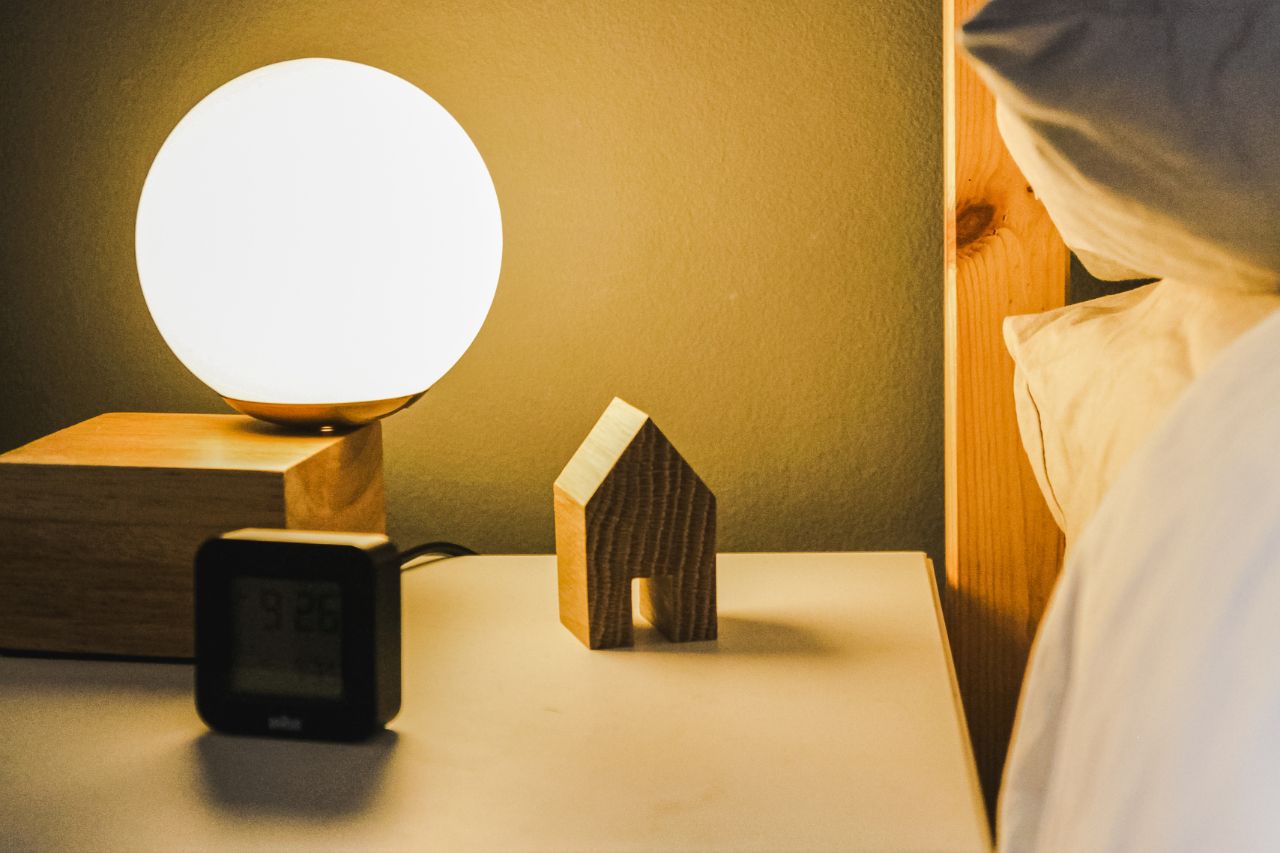
The lighting environment you find yourself in before going to bed can significantly influence the quality of your sleep. An environment with dim and sunset-like lighting, which mimics natural lighting conditions, helps your body prepare for rest. Reduce exposure to blue light from screens and instead opt for soft and warm lighting, such as salt lamps or candles (Vandewalle, 2009).
Don’t forget, if you enjoy using candles, opt for those made with natural waxes instead of paraffin, especially in indoor rooms, to avoid inhaling volatile organic compounds derived from petroleum..According to a study conducted by Peckham et al. (2018), it was found that paraffin candles can emit volatile organic compounds (VOCs) during combustion. These VOCs include substances such as benzene, toluene, and formaldehyde, which have been shown to have harmful effects on human health, such as respiratory irritation, allergies, and potential carcinogenic effects. Therefore, it is recommended to prefer candles made with natural waxes instead of paraffin to reduce exposure to these harmful compounds
Furthermore, ensure that your bedroom remains dark during the night. Darkness promotes the proper production of melatonin, the sleep hormone, which facilitates deep and restorative sleep. Use blackout curtains or sleep masks to block any external sources of light, such as street lamps or outdoor lights (Wright & Lack, 2001).
Lastly, direct sunlight at dawn is beneficial for regulating your circadian rhythm and improving sleep quality. When you expose yourself to natural light upon awakening, your body receives signals to adjust its internal clock and maintain a healthy sleep-wake cycle. Try spending between 5 and 20 minutes outdoors, enjoying the morning light, even looking directly at the sun with your eyes closed or indirectly with them open. This gives a tremendous boost to synchronizing your circadian rhythm (Czeisler & Gooley, 2007).
Easily implement key practices to create an optimal setting before bedtime and during the night.
This week, incorporate having dim and warm lighting in your environment before going to bed. Avoid blue light from screens and opt for salt lamps or candles (Rångtell et al., 2016).
In the following week, include what is necessary to keep your bedroom dark during the night. Use blackout curtains or sleep masks to block any external sources of light.
And in the third week, experiment with exposure to direct sunlight at dawn. Spend a few minutes outdoors each morning to enjoy natural light. Measure, then, which of these three aspects influences you the most, or if it is the combination of all three that helps improve your sleep.
Observe, adjust, and live better.